Articles tagged with #insights
Customer service is a single touchpoint — the help a company gives at one moment, like a support chat, a return, or a billing call. Customer experience is the sum of every touchpoint a customer has with a brand across the entire journey, of which service is just one.
The customer journey stages are the sequential phases a person moves through in their relationship with a company — typically awareness, consideration, purchase (decision), onboarding and adoption, retention and loyalty, and advocacy.
eNPS (Employee Net Promoter Score) is a single-question metric that measures how likely employees are to recommend their organization as a place to work, scored on a scale from -100 to +100.
To calculate your NPS score, subtract the percentage of respondents who are detractors (people who answered 0–6 on the "how likely are you to recommend us" question) from the percentage who are promoters (people who answered 9 or 10); the result is a single number between −100 and +100.
The NPS scale is the 0-to-10 rating scale a customer uses to answer the single Net Promoter Score question — "How likely are you to recommend us to a friend or colleague?" — where 0 means "not at all likely" and 10 means "extremely likely." It is an 11-point scale (every whole number from 0 through 10 is a valid…
CX is short for customer experience — the sum of every interaction a person has with a company across the entire relationship, and how those interactions make them feel. It is not a single product screen or one support call; it is the whole impression a customer builds from awareness through purchase, use, and renewal.
Medallia implementation is the multi-month enterprise rollout of the Medallia Experience Cloud platform — connecting data sources, programming survey and feedback flows, building role-based dashboards, wiring alerts and workflows, and training internal teams — before a single insight reaches a decision-maker.
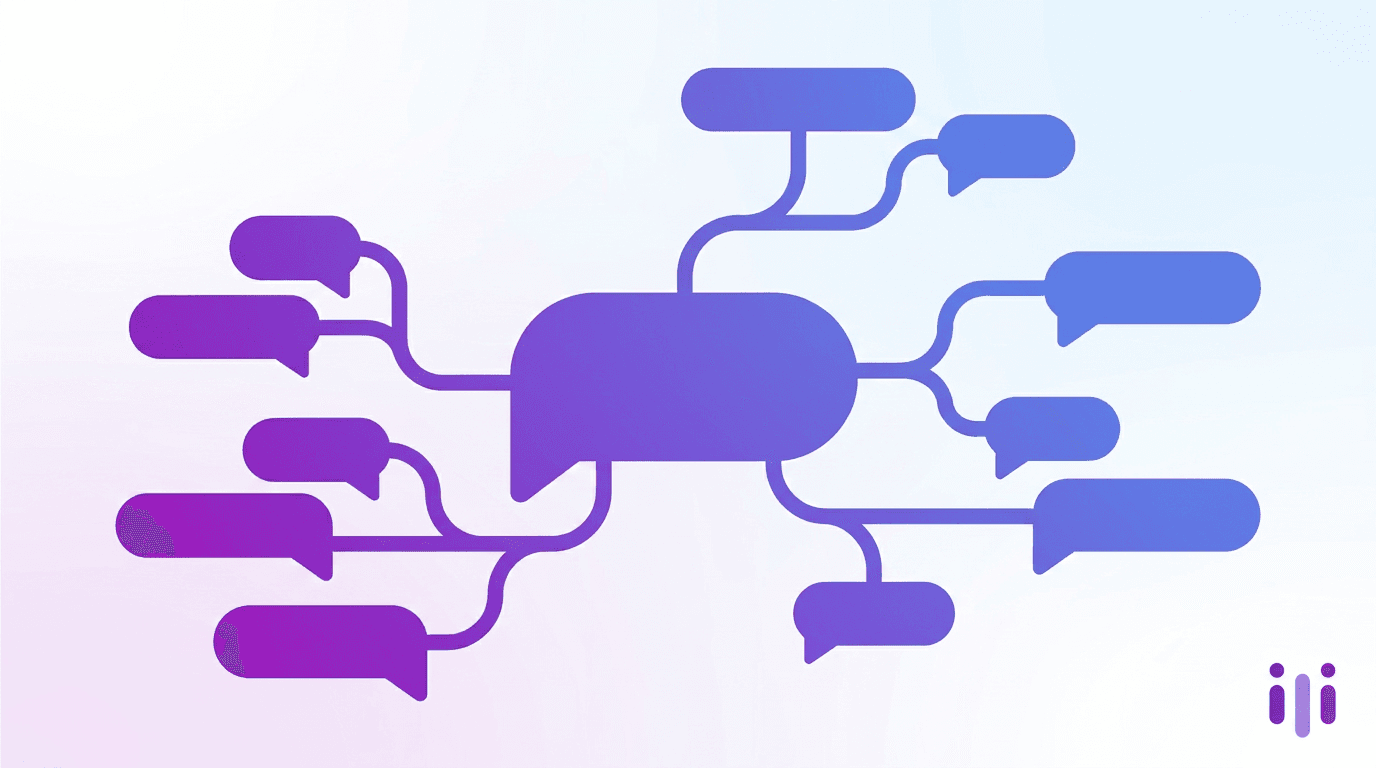
NPS follow-up questions are the open-ended prompts you ask immediately after a customer gives their 0–10 Net Promoter Score, designed to capture the reasoning behind the number rather than just the number itself.
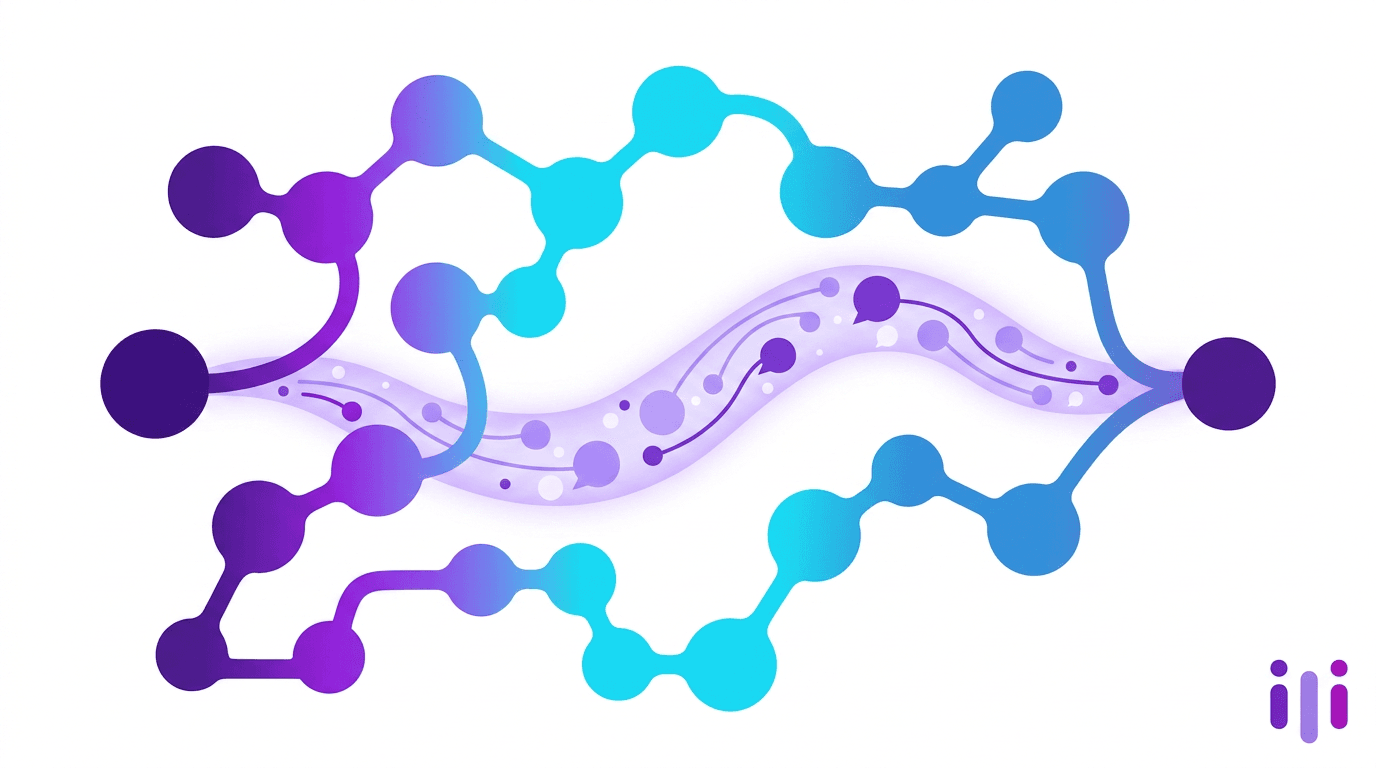
Customer experience management (CXM) is the discipline of capturing, interpreting, and acting on every interaction a customer has with a brand — from first touch to renewal — in order to systematically improve how those interactions feel and perform.

AI customer feedback is the practice of using artificial intelligence to collect, analyze, and act on what customers tell a business — turning unstructured input like open-text responses, support tickets, reviews, and conversations into structured, prioritized insight without manual coding.

An AI focus group is a qualitative research method in which an AI interviewer conducts one-on-one or small-group conversations with real customers at scale, asking open-ended questions, probing follow-ups, and synthesizing the results into themes—replacing the single human moderator and the 8-person conference room of a traditional focus group.

Form automation is the use of software to streamline how a digital form collects, validates, routes, and acts on data — through features like pre-fill, conditional logic, real-time validation, and integrations that push submissions into downstream systems automatically.

Voice of customer (VoC) is the structured program an organization runs to systematically capture, analyze, and act on what customers think, while customer feedback is the raw input — the individual comments, ratings, complaints, and conversations that program collects.

Focus group AI is the use of conversational AI agents to moderate qualitative group research asynchronously and at scale, running parallel one-to-one interviews with real participants and then synthesizing the results the way a traditional focus group would.

Medallia pricing in 2026 is quote-based and enterprise-only — there is no public list price, and most contracts land in the high five to six figures annually before implementation.
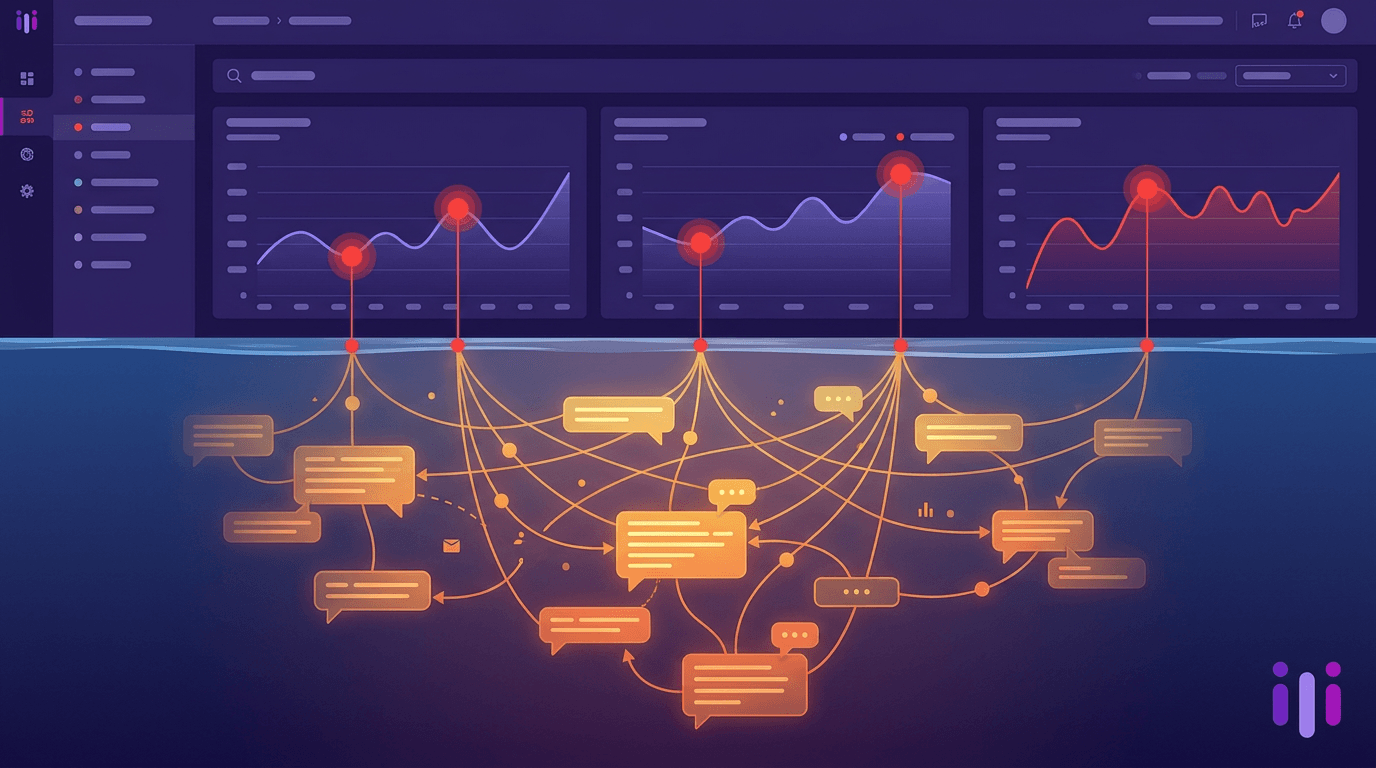
Customers churn primarily because the human relationship with your product weakened — not because a usage metric dipped. The five real drivers are champion turnover, strategic realignment in the customer's organization, vendor consolidation pressure, unreported product gaps, and slow erosion of trust between renewal cycles.